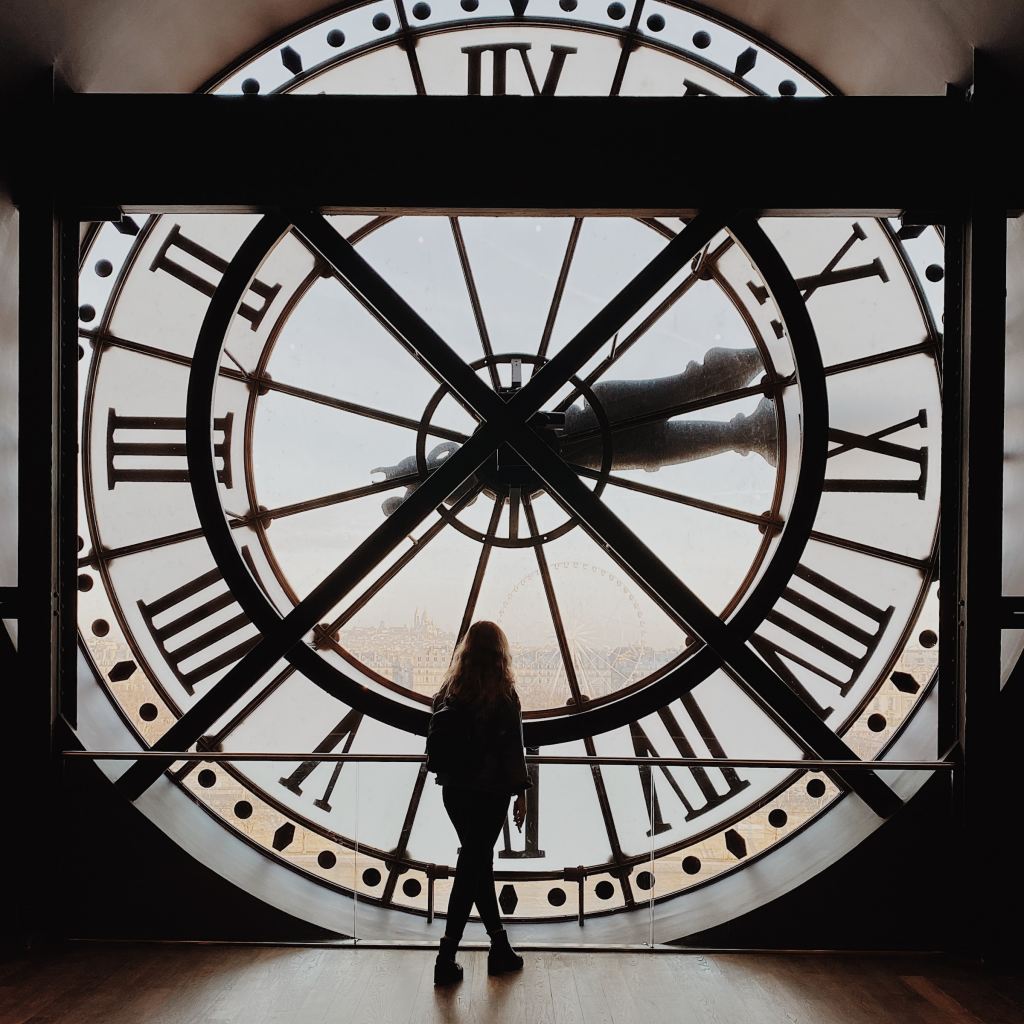
If you know how to tell time, you use astrology.
Astrology is universal. All countries use the same time system: 365 days a year, 12 months a year, 28-31 days a month, 7 days a week, 24 hours a day, and 60 minutes an hour. Most people don’t know why. The reasons are hidden or occult.
The motion of the earth around the Sun takes 365 days from the time that days and nights are equal (the Vernal Equinox) until the earth returns to this position. The 12 months in the year correspond to the 12 signs of the zodiac and approximately, the time it takes the moon to go from new moon to the next new moon which derives “month”. Ancient wisdom indicates that the Sun rules the day (12 hours) and the Moon rules the night (12 hours). This results in 24 hours in a day.
Before telescopes were invented, humans could only see seven visible bodies or planets: Sun, Moon, Mercury, Venus, Mars, Jupiter, and Saturn. Each day of the week is named for a planet. In English, we use a combination of Roman and Anglo-Saxon names of the planets. The days of the week in Spanish helps to demonstrate this nomenclature.
| Planet | English (Anglo-Saxon) | Spanish |
| Sun | Sunday | Domingo |
| Moon | Monday | Lunes |
| Mars | Tuesday (Tiw) | Martes |
| Mercury | Wednesday (Woden) | Miercoles |
| Jupiter | Thursday (Thor) | Jueves |
| Venus | Friday (Frig) | Viernes |
| Saturn | Saturday | Sabado |
Another hidden fact is that when you assign Saturn to the hour of sunrise (6AM) on Saturday and use the order of the planets above (Sun, Moon, etc.) for each hour (e.g., Sun = 7AM, Moon =AM, and continue until 6AM the next day, you arrive at the Moon = Monday. Continuing in this manner, you’ll generate the planet at 6AM for each day of the week which is named for the planet!
If you tell time, you are using astrology!
 astrotarotseer.com
Leave a comment